Why Network
Design Matters
Learn why the network is critical for security


Modern security systems are more connected, data-intensive, and intelligent than ever before. From high-resolution IP cameras and access control systems to cloud-connected video management and remote monitoring platforms, nearly every component depends on a reliable network to perform as expected.
Yet when security system issues arise, the network is often overlooked as the root cause. Integrators may encounter problems such as video lag, dropped connections, recording interruptions, or slow remote access, only to discover that the issue isn't the devices themselves—it's the network infrastructure supporting them.
As security systems continue to evolve, network design has become just as important as selecting the right cameras, recorders, and software. By focusing on bandwidth planning, Power over Ethernet (PoE), network segmentation, and scalability, integrators can deliver more reliable systems, reduce service calls, and better prepare customers for future growth.
Not long ago, security systems operated largely as standalone solutions. Today, they are part of a broader connected ecosystem that often includes video surveillance, access control, intercoms, cloud services, mobile applications, and remote management platforms.
This shift has placed greater demands on network infrastructure. High-resolution cameras generate significantly more data than older analog systems, while AI-powered analytics, cloud connectivity, and remote access require additional bandwidth and processing resources.
As a result, network performance directly affects security system performance.
A poorly designed network can lead to:
For integrators, investing time in proper network design can help prevent these issues before they occur.
One of the most important aspects of security network design is understanding bandwidth requirements before installation begins.
Bandwidth planning should account for every device that will communicate across the network, including cameras, NVRs, access control devices, intercoms, and cloud-connected services.
Several factors can influence bandwidth consumption:
For example, a deployment featuring multiple 4K cameras with advanced analytics will require substantially more bandwidth than a system using lower-resolution devices.
Without proper planning, network congestion can occur, resulting in degraded video quality, delayed recordings, and overall system instability.
Integrators should consider both current and anticipated bandwidth requirements while building additional capacity for future expansion. Customers frequently add cameras, cloud services, or analytics capabilities after the initial installation, and networks should be designed with that growth in mind.
When it comes to IP security systems, adequate bandwidth is not a luxury—it's a necessity.
Power over Ethernet (PoE) has become a cornerstone of modern security deployments. By delivering both power and data through a single cable, PoE simplifies installation and reduces infrastructure costs.
However, PoE planning involves more than simply selecting a switch. Many network-related issues stem from insufficient PoE capacity. Integrators may deploy a switch with enough ports for all connected devices but fail to account for the switch's total power budget.
This becomes increasingly important as security devices require more power than ever before.
Examples include:
When switch power budgets are exceeded, devices may fail to operate correctly or experience intermittent performance issues.
As Nima Jamshidi, Director of Product Management – Networking at ADI, explains,
“Integrators should approach PoE planning by starting with the maximum PoE requirement for each device, not just the current power draw shown in the switch UI. The current draw may look low during normal operation, but many devices can consume more power when certain features activate or when load increases.”
Nima Jamshidi, Director of Product Management – Networking at ADI
Planning around maximum power requirements, not just typical operating conditions, helps ensure devices perform reliably today while leaving capacity for future expansion.
As networks become more complex, segmentation plays a critical role in maintaining both performance and security.
Virtual Local Area Networks (VLANs) allow integrators to separate different types of traffic on the same physical network. Rather than allowing security devices to compete with business applications, guest Wi-Fi, voice communications, and other traffic, VLANs create dedicated pathways for specific functions.
The benefits of network segmentation include improved performance, simplified troubleshooting, enhanced cybersecurity, and better overall reliability.
However, creating VLANs alone is only part of the equation. According to Jamshidi,
“VLANs become important for security when they are combined with proper firewall rules, ACLs, routing controls, and access policies. The VLAN provides separation, but the security comes from controlling what traffic is allowed between those segments.”
Nima Jamshidi, Director of Product Management – Networking at ADI
In other words, segmentation establishes the foundation, while thoughtfully designed network policies determine how secure and resilient the environment truly becomes.
One of the most common mistakes in network infrastructure planning is designing solely for current requirements. Security systems rarely remain static.
A customer who starts with 16 cameras may add another 10 next year. Access control deployments often expand to additional doors. Cloud-based services, AI analytics, and remote management tools continue to increase network demands over time.
Without proper planning, future growth can create challenges such as:
To avoid these issues, integrators should build scalability into every design.
This may include:
Jamshidi encourages integrators to think beyond the initial installation.
As managed services become more common, network health has a direct impact on an integrator's
ability to support customers remotely.
Remote management platforms allow technicians to monitor device status, receive proactive
alerts, troubleshoot issues, and resolve problems without visiting the site.
However, these capabilities depend on a stable, well-designed network. When networks are unreliable, remote management becomes more difficult, resulting in increased truck rolls and longer resolution times.
Platforms such as OvrC can provide valuable visibility into network performance, helping integrators identify issues before they affect end users. Proactive monitoring can improve uptime, streamline service delivery, and create opportunities for recurring revenue through managed service offerings.
For many integrators, remote management is becoming a key differentiator—and it all starts with network design.
As security technologies continue to evolve, network infrastructure has become a critical component of every successful deployment.
Many of the performance issues that frustrate customers—video delays, connectivity problems, device outages, and unreliable remote access—can often be traced back to network limitations rather than the security equipment itself.
By prioritizing bandwidth planning, PoE infrastructure, VLANs and network segmentation, and future scalability, integrators can build stronger foundations for modern security systems.
Jamshidi believes this shift is changing the role the network plays in every deployment. "The network is becoming part of the security system itself, not just the transport layer. Integrators who design for security, visibility, and future growth will be better prepared as these systems continue to evolve."
As customer expectations continue to rise, network design is no longer an afterthought. It's a strategic component of every successful security installation—and one that can help integrators deliver greater reliability and create long-term value for their customers.
Discover key networking technologies and the exclusive brands we offer to support your next project.
Read More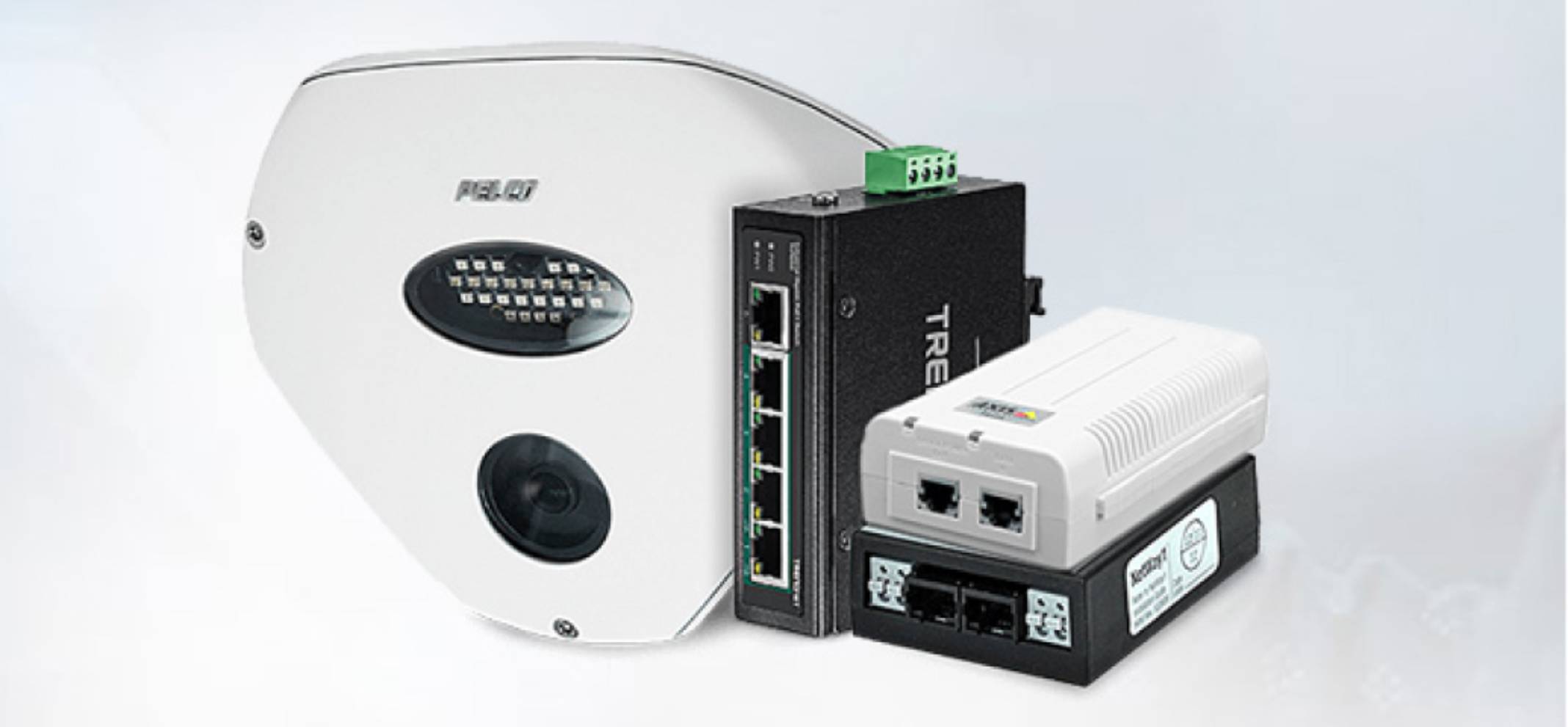
Learn how Power over Ethernet (PoE) technology can simplify your network infrastructure and minimize installation costs.
Read More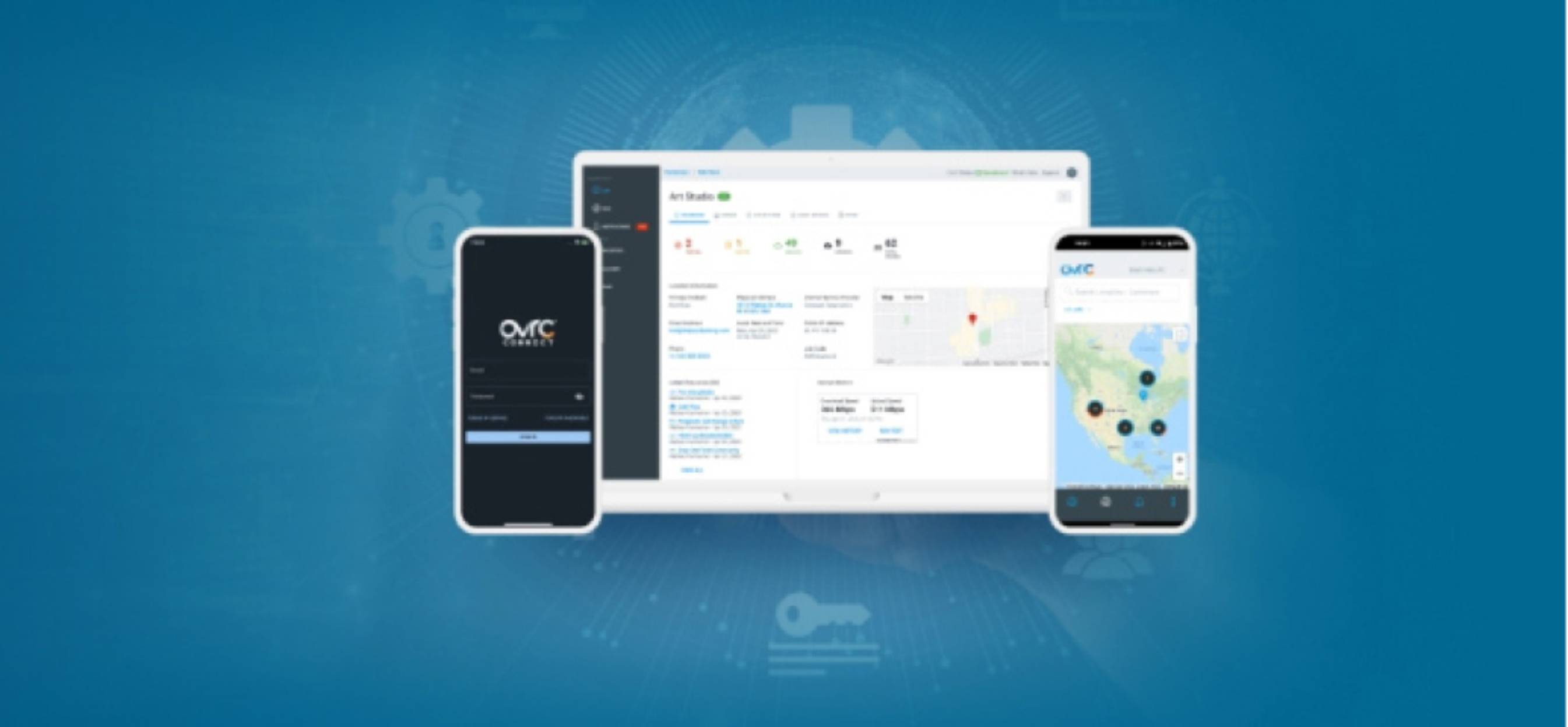
Learn how you can use OvrC to install, monitor and troubleshoot network devices, reducing downtime and service calls.
Read More