ADI Global CA
ADI a Resideo company
menu

Designing for Humans: How to Create Inclusive, Comfortable and Sustainable AV Spaces

Audiovisual (AV) technology, while seemingly focused on equipment, is fundamentally about the human experience. The success of AV lies in effective communication—transmitting light to our eyes and sound to our ears. This necessitates a human-centered design approach, prioritizing the needs and experiences of the people who use our technology. This approach emphasizes personalization, recognizing that one size does not fit all, and promotes inclusivity to foster a sense of belonging. Several factors underscore the timeliness of this approach and human-centered AV matters:

  • Workplace evolution: Modern AV systems offer integrated features such as video conferencing, real-time transcription and recording, thereby raising user expectations for seamless communication and real-time collaboration.
  • Changing user experience: The ubiquity of cameras, microphones and digital displays in technology spaces has transformed our expectations of how we interact and learn.
  • Prioritization of wellness: Organizations recognize that employee well-being has a direct impact on productivity and profitability, leading to investments in creating comfortable and engaging work environments.
  • Wellness is a priority: The post-pandemic return to the office requires appealing spaces that motivate employees and enhance their experience.

Holistic meeting equity

Holistic meeting equity ensures equal opportunities for participation and contribution for both in-person and remote attendees by optimizing camera placement, lighting, audio quality and other capabilities like content sharing. Additional considerations include appropriate lighting with consideration for glare, comfortable temperatures, minimizing distractions through thoughtful design, protecting spaces for privacy and avoiding fatigue through overstimulation and ensuring the durability of your customers' investments in technology spaces.

This human-centric trend is reflected in industry standards and guidelines published by organizations such as LEED and AIA, which emphasize factors like air quality, temperature and lighting. These elements have a significant impact on human psychology, attention and productivity. While architects and interior designers can create immaculate and comfortable spaces, the activities your customers go there to do — work, learn, collaborate and connect with others — take place in the AV domain. Therefore, AV design plays a crucial role in shaping the overall human experience within a thoughtful environment. Key considerations for human-centered AV design include:
  • Workplace evolution: Flexible furniture arrangements accommodate different needs, while clear sightlines and multiple viewing angles are also important. Additionally, proper acoustic treatment ensures audio clarity.
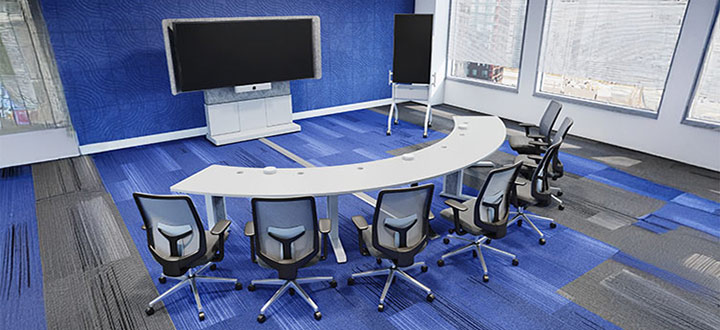
  • Forum™ Arc Table (NO-FMTAR1844): This arc-shaped table allows for all in-person participants to directly face the remote participants during videoconferencing calls. It includes user comfort with leg positioning, integrated cable management, cohesive room aesthetics, multi-national power offering and different color options.
  • Changing user experience: A comprehensive power plan should include protection, remote monitoring and backup systems. Assistive technologies enable users with hearing and visual impairments to participate. Today, meeting attendees expect multiple ways to participate and engage with contentd and aconsistent experience regardless of location in the room. Personal devices should also be integrated for customized accessibility needs.
  • Audio/acoustical needs: When optimizing audio for meetings, microphone pickup, speaker coverage and controlling background noise are all crucial. Thoughtful acoustic design, employing absorption, blocking and covering techniques, are essential for minimizing distractions and enhancing clarity and focus.
  • Camera considerations: Camera position, display size and height, controlled lighting and camera enhancements are essential considerations.
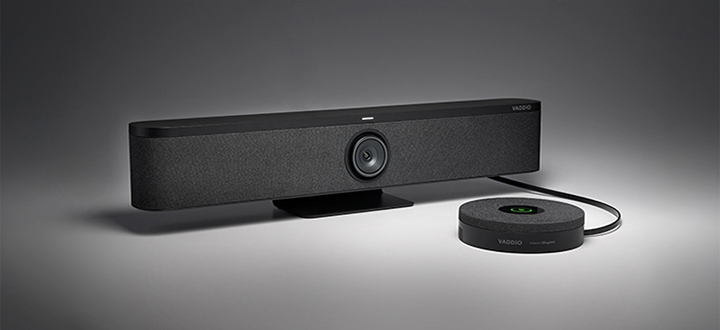
  • The Venture VideoBAR from Vaddio (MV-999509090) is an all-in-one 4K video conferencing solution designed to deliver exceptional audio and video quality with an ultra-high-definition image sensor and advanced tracking technology.
  • Wellness and empathy: When designing spaces for environmental wellness, consider appropriate lighting levels (significant in learning environments), good ventilation and temperature control to enhance physical comfort. Thoughtful design should minimize visual distractions and prioritize privacy, security and promote inclusion. Durability and longevity are also key considerations, especially for invested spaces. Design should be ADA-compliant, including adequate spacing between seating areas for mobility and enabling accessibility for individuals with visual and movement impairments. Accessibility should be prioritized through product design, going above and beyond to deliver excellent experiences within the workplace. International building codes (IBC) are aligning with ADA, and IEC and ISO 21542 to cover global accessibility norms. In fact, many RFPs now require universal design, reflecting the global expectation of accessibility.
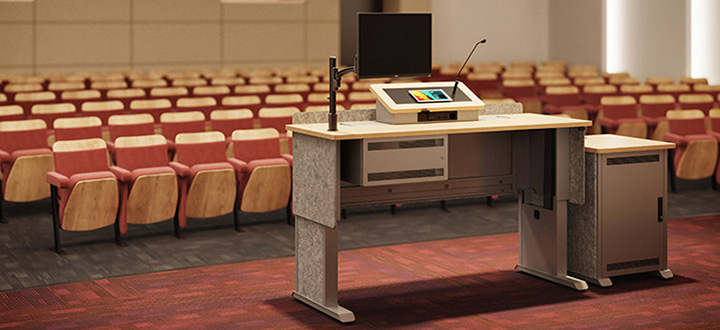
  • The Middle Atlantic Forum™ Lectern is an ADA-compliant, educator inspired, integrator friendly lectern/teaching station. It is designed to support a full AV system (equipment mounting, cable management, thermal management and power distribution), with features like electric height adjustability (28" to 42") and accommodations for teaching technology.

Establishing infrastructure that supports your customer's space

By embracing human-centered design principles, AV professionals can create spaces that are not only functional but also comfortable, inclusive and conducive to effective communication and collaboration. This approach recognizes that AV design is not merely about the technology itself, but about how that technology facilitates meaningful human interaction.

When designing spaces for environmental wellness, consider appropriate lighting levels (critical in learning environments), good ventilation and temperature control, all of which contribute to physical comfort. Thoughtful design should minimize visual distractions and prioritize privacy and security. Durability and longevity are also key considerations, especially for invested spaces. Robust physical, network, AV and supporting systems are crucial for seamless integration and reliable performance. Also consider:

  • Physical infrastructure: Power systems should have appropriate capacity and distribution. Dedicated cooling solutions are needed for many equipment racks. Cable pathways and management systems are essential, as are equipment racks and mounting solutions. Acoustic treatments should be used where necessary.
  • Network infrastructure: High-bandwidth network cabling, increasingly including fiber optic, is necessary for AV installations. Network switches must be capable of handling AV-over-IP traffic. Proper network segregation for AV systems is essential. A robust wireless infrastructure is needed for control, convenience and streaming.
  • AV components: Signal routing and distribution systems, audio processing and amplification, control systems and user interfaces, display systems (projectors, LED walls and monitors) and audio capture and playback equipment are all key components of AV systems.
  • Supporting systems: Power management and UPS systems are essential, as is environmental monitoring. Security systems integration and building automation interfaces are also key considerations.

In conclusion, designing AV spaces with a human-centered approach is crucial for creating environments that are not only functional but also comfortable, inclusive and conducive to effective communication and collaboration. This approach prioritizes the needs and experiences of users, recognizing that one size does not fit all and promotes inclusivity to foster a sense of belonging. Key considerations include optimizing meeting equity, prioritizing wellness and empathy, and establishing robust infrastructure to support the space. By focusing on the human experience, AV professionals can create spaces that truly enhance communication, collaboration and overall well-being.